Second Annual Meeting of Regulatory Authorities – The Impact of Global Instability on the Work of Regulatory Authorities
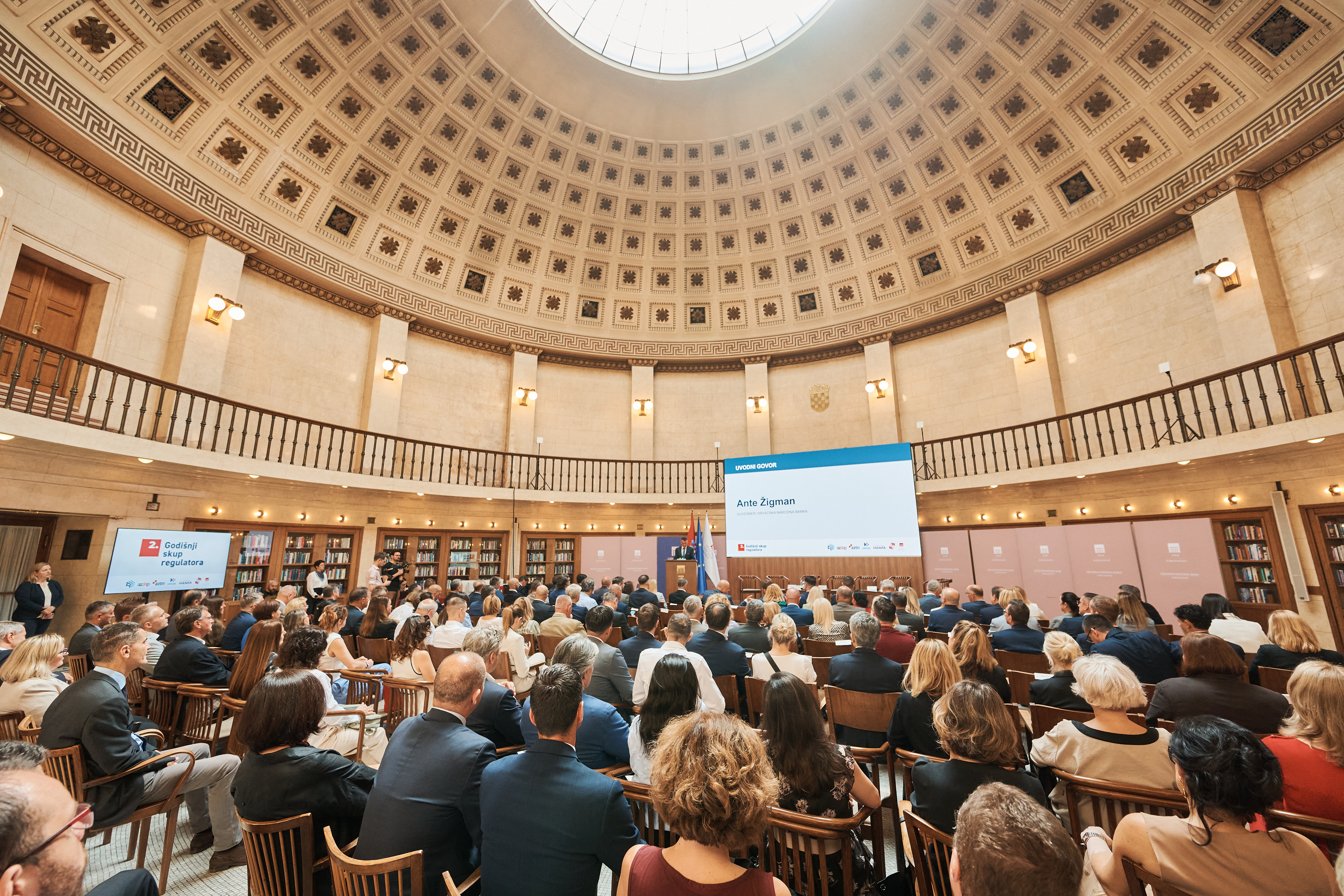
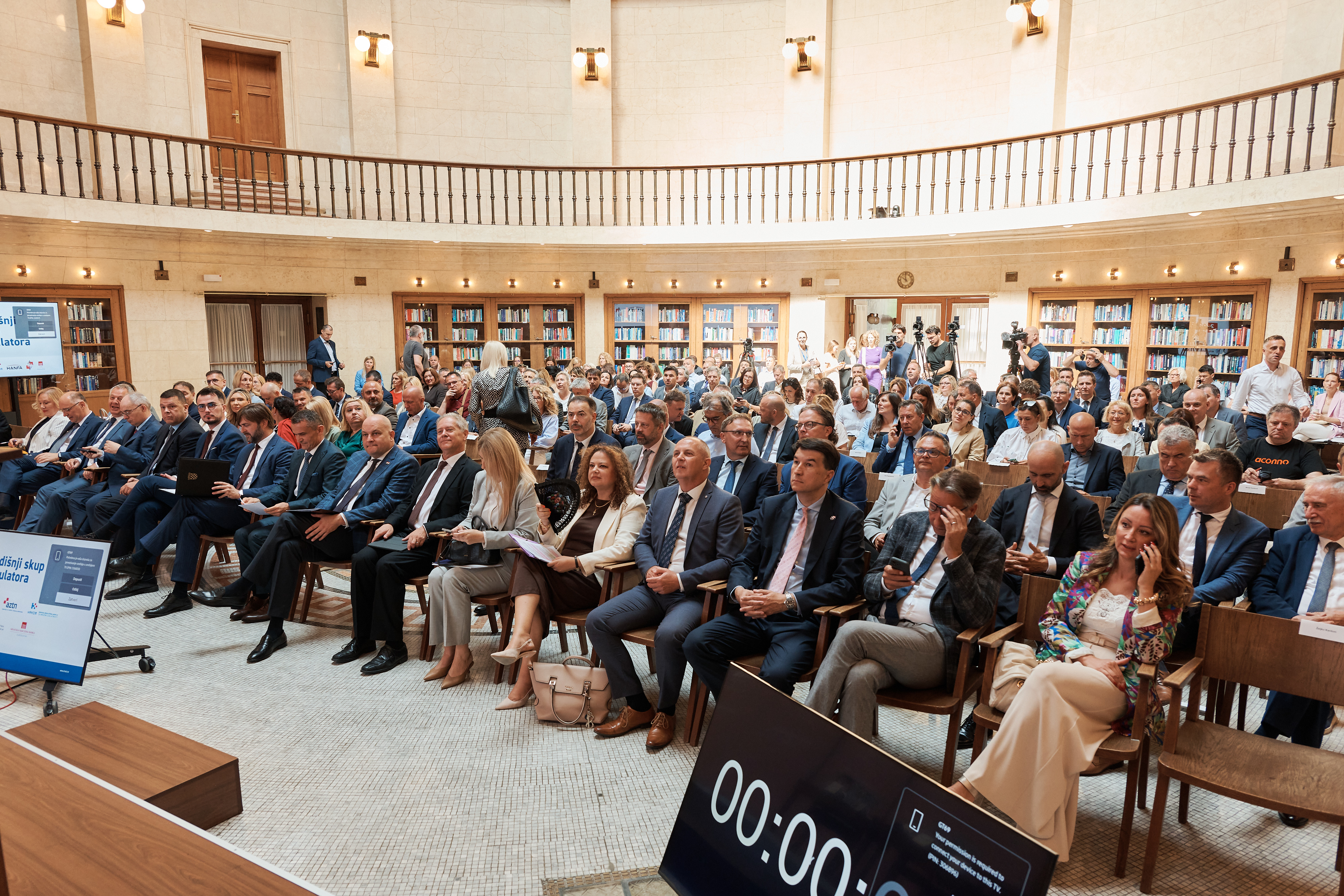
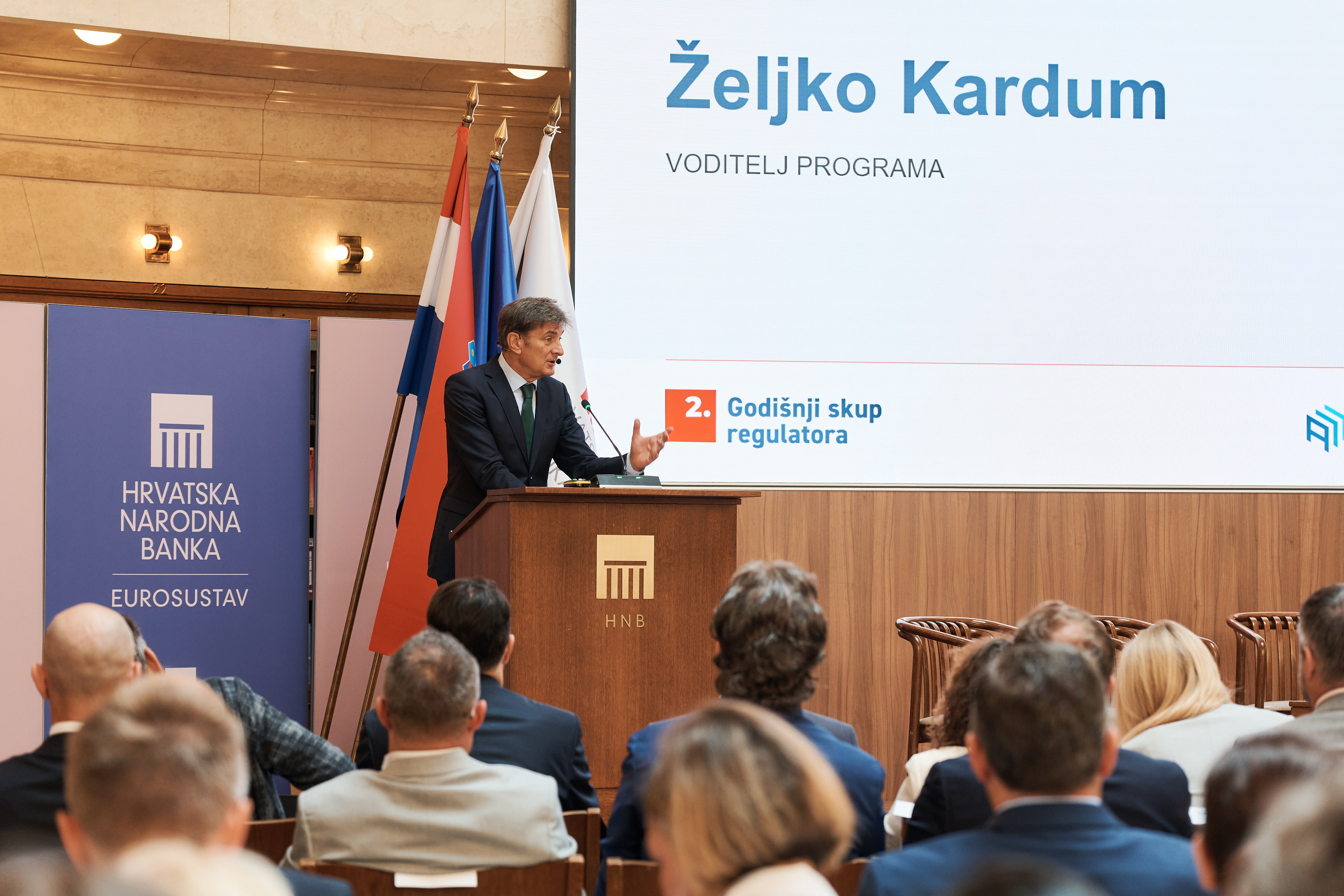
ZAGREB, 6 July 2026 - The second Annual Meeting of Regulatory Authorities, held today at the Croatian National Bank (HNB), brought together representatives of Croatia's regulatory institutions to exchange experience, identify common challenges and further strengthen inter-institutional cooperation. The meeting was attended by representatives of the Agency for Electronic Media (AEM), the Croatian Personal Data Protection Agency (AZOP), the Croatian Competition Agency (AZTN), the Croatian Financial Services Supervisory Agency (Hanfa), the Croatian Energy Regulatory Agency (HERA), the Croatian National Bank (HNB), and the Croatian Regulatory Authority for Network Industries (HAKOM). The main topic of this year's meeting was the impact of global instability on the work of regulatory authorities, with particular emphasis on cybersecurity.
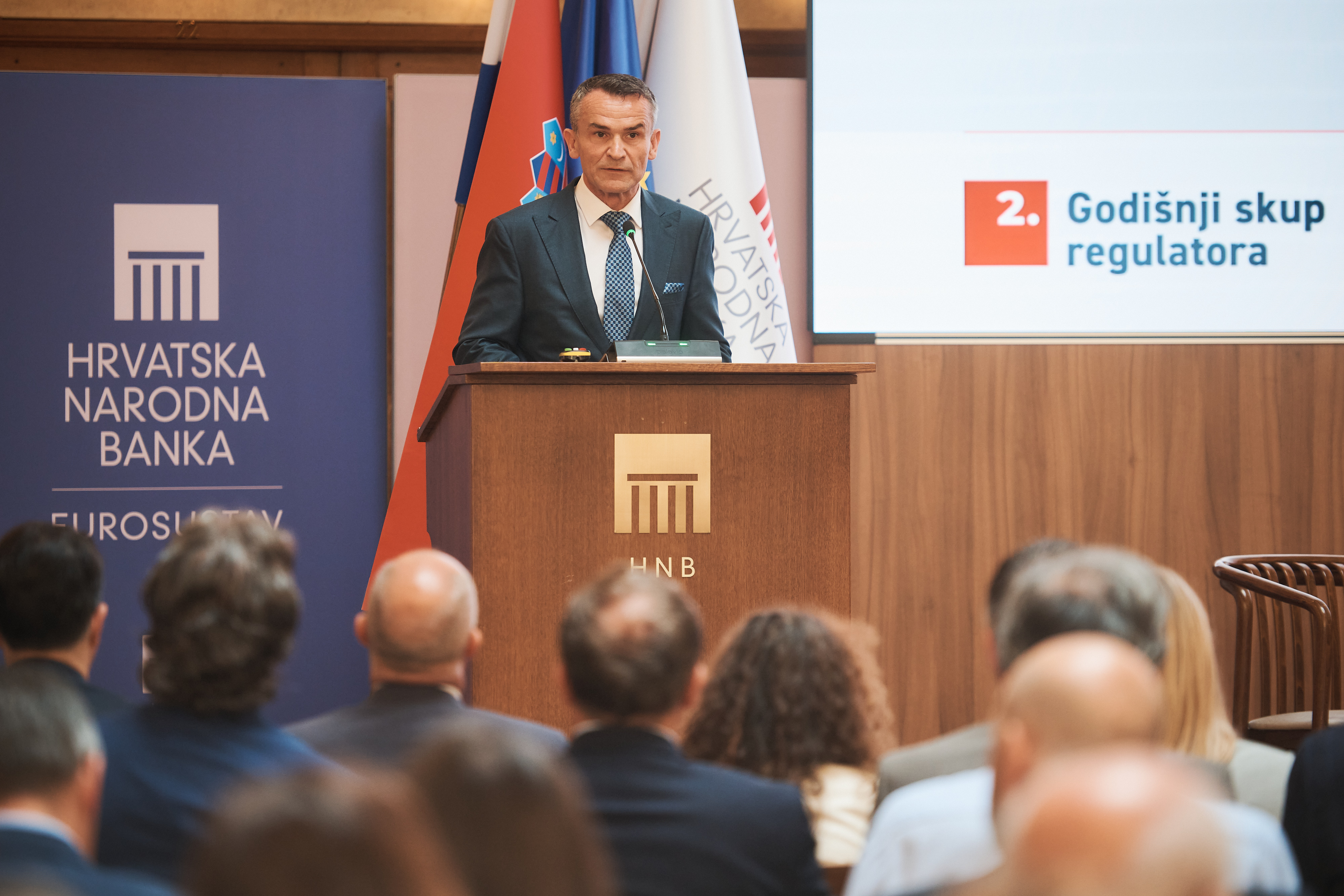
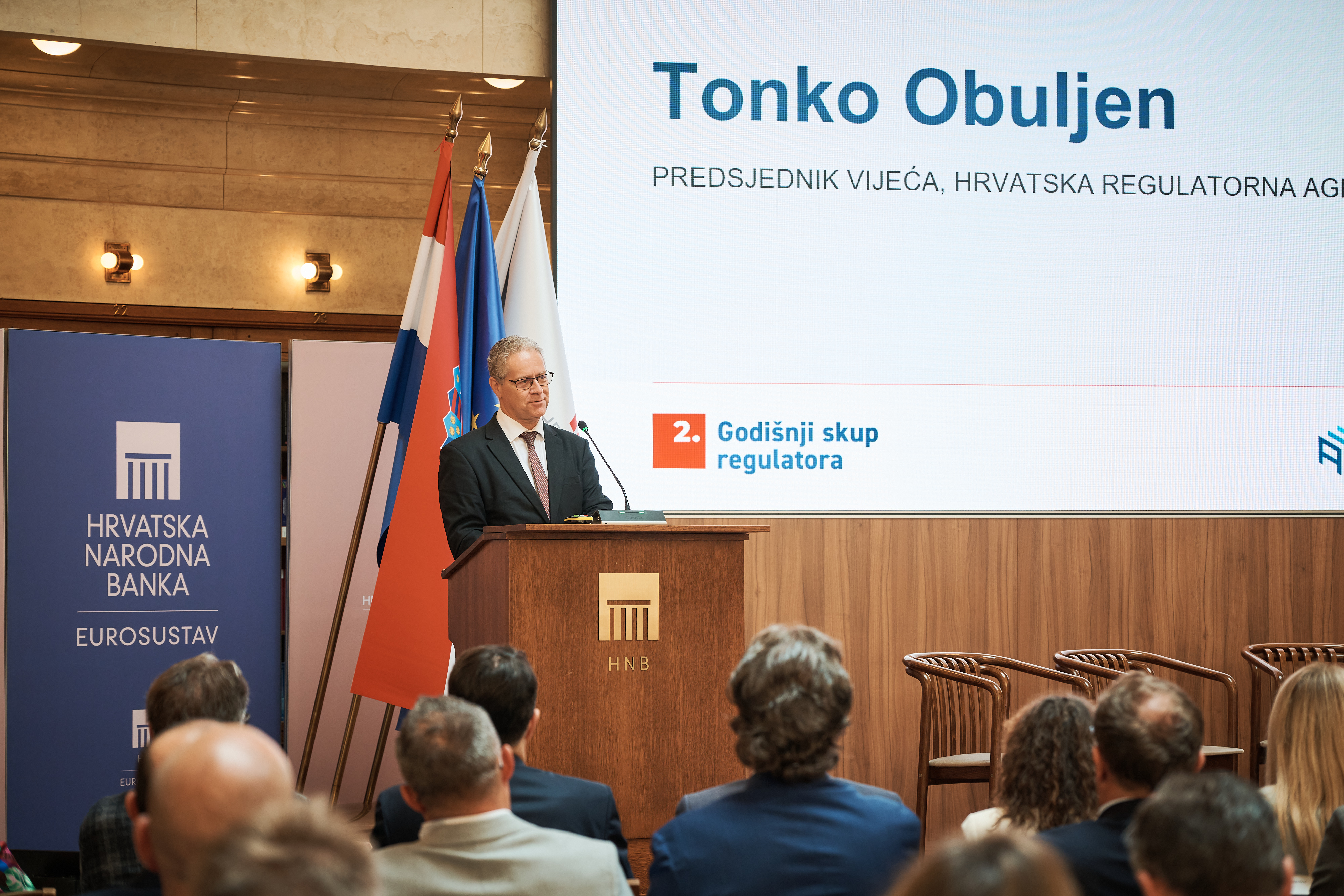
The participants were welcomed by Ante Žigman, Governor of the Croatian National Bank, Ante Šušnjar, Minister of Economy, Tomislav Ćorić, Deputy Prime Minister and Minister of Finance of the Republic of Croatia, and Tonko Obuljen, President of the HAKOM Council.
"In times of crisis, citizens are not concerned with where the responsibility of one institution ends and that of another begins. They want to know whether they can make payments, access their money, use essential services and receive reliable information. That is precisely why maintaining public trust and fostering cooperation among regulatory authorities are among the key prerequisites for trust and stability," said Ante Žigman, Governor of the Croatian National Bank.
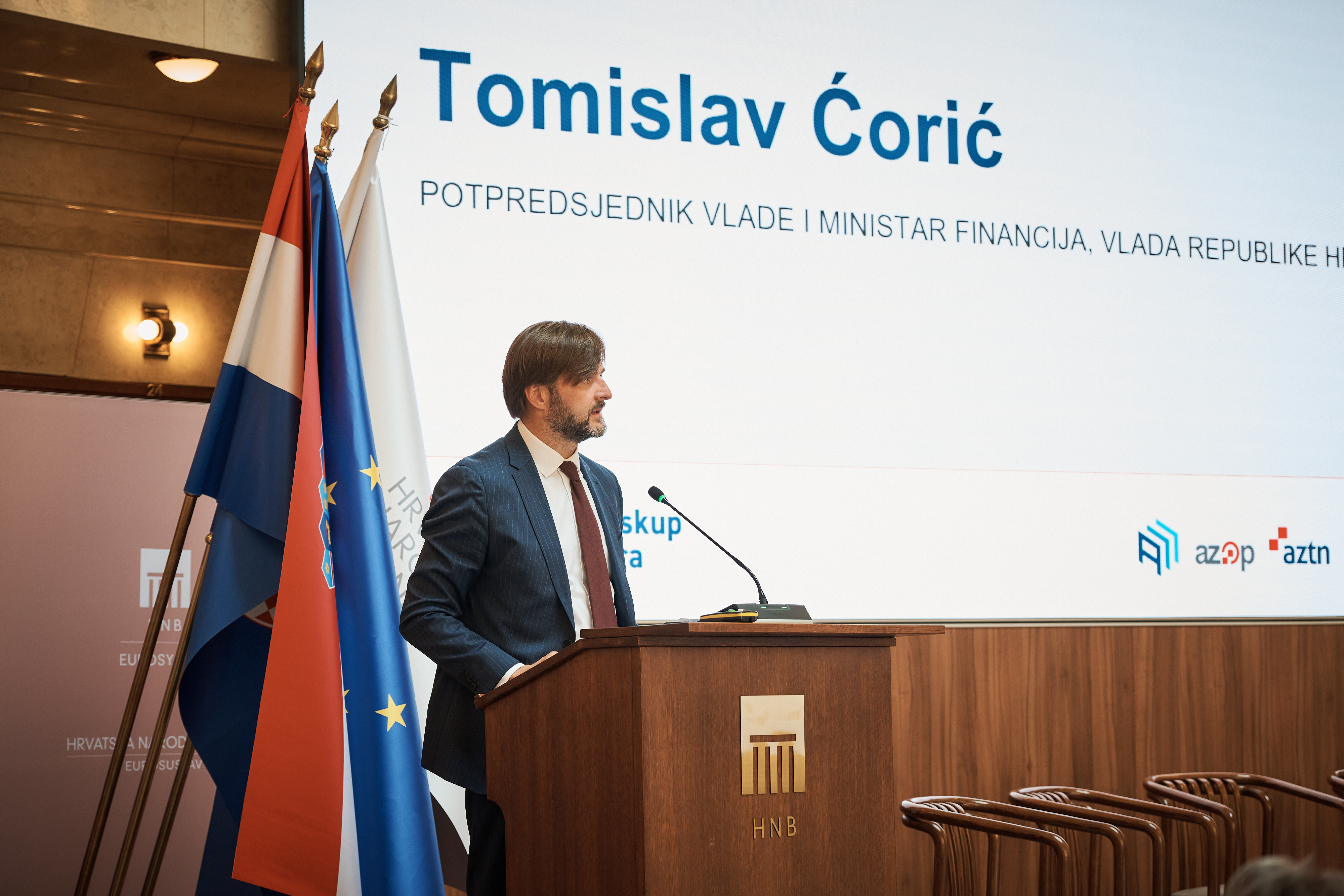
In his opening address, Deputy Prime Minister and Minister of Finance Tomislav Ćorić described the conference as a valuable opportunity for constructive dialogue and for strengthening cooperation among institutions that share a common responsibility towards citizens and the economy.
“The risks we have been facing for some time are no longer driven solely by economic developments. Alongside financial cycles and market disruptions, today’s regulatory system must also respond to cyberattacks, geopolitical instability, the rapid development of artificial intelligence and the increasing interconnectedness of financial, energy and digital systems. It is encouraging that regulatory authorities are devoting ever greater attention to these emerging challenges and threats. At the same time, however, they must never lose sight of their fundamental and traditional mission: to consistently uphold legality, stability, transparency and a level playing field for all market participants. In recent years, the Republic of Croatia has made significant progress in strengthening its institutional resilience.
Membership of the euro area and the Schengen Area, together with the ongoing OECD accession process, forms part of the same strategic framework to which regulatory authorities contribute on a daily basis. Their work therefore not only reinforces the confidence of the domestic public but also sends a clear signal to international partners about the strength of the rule of law and the predictability of the regulatory environment. In this context, cooperation among institutions is becoming just as important as the expertise of each individual regulator,” Minister Ćorić said.
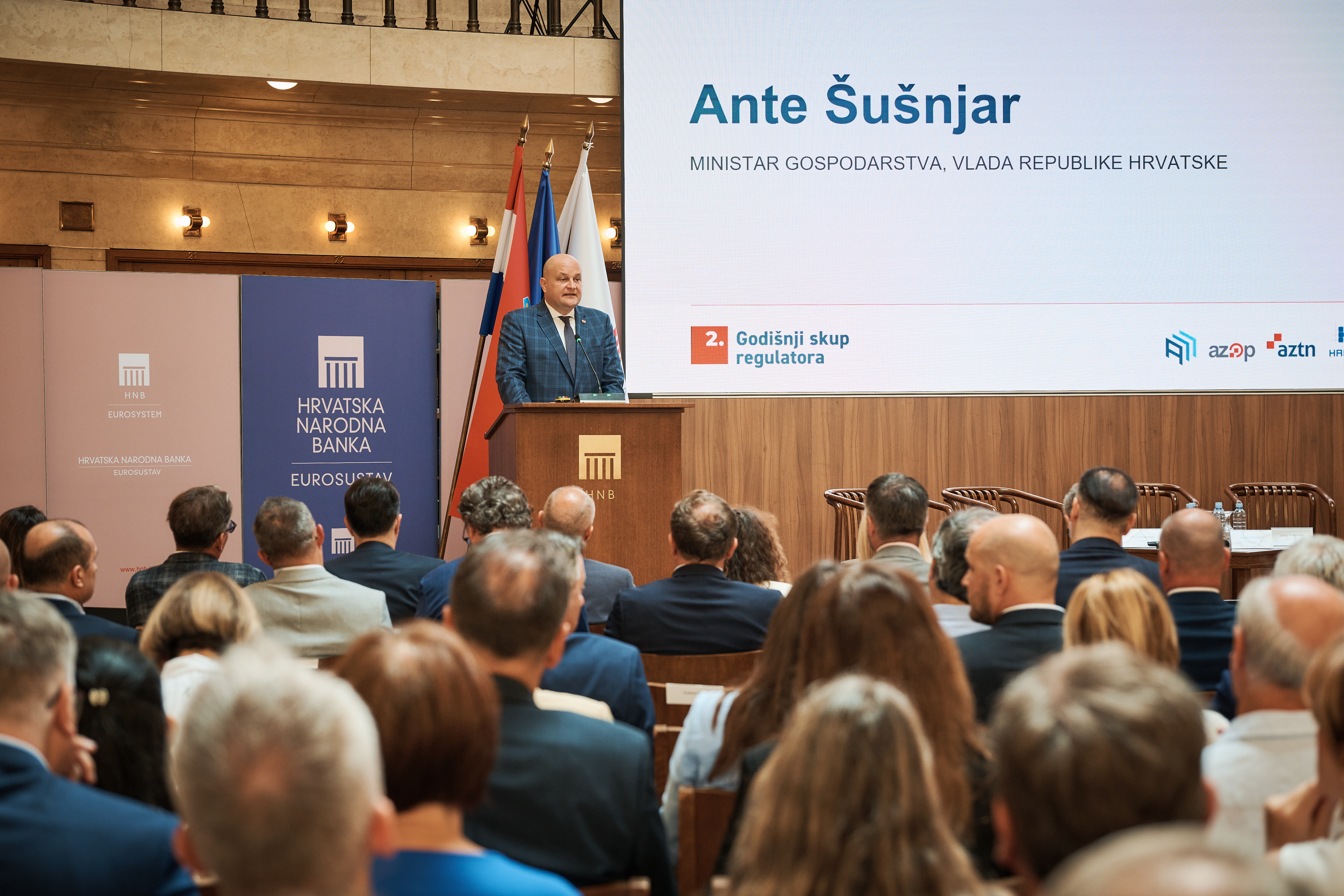
In his address, Minister of Economy Ante Šušnjar emphasised that the continued development of the Croatian economy requires clear rules, strong institutions and a regulatory framework that keeps pace with changes in the market.
“This is particularly important in the energy sector, where security of supply and a stable regulatory framework have a direct impact on citizens, businesses and industry. The same applies to consumer protection, as a well-regulated market ensures that citizens are fully aware of their rights,” Minister Šušnjar said. Speaking about technological developments, the Minister stressed that artificial intelligence, digital platforms and cybersecurity are having a direct impact on the economy and require regulatory solutions that keep pace with technological progress.“It is essential that regulatory authorities exchange experience and develop solutions that protect citizens, provide a stable environment for investment and enhance the competitiveness of the Croatian economy,” Minister Šušnjar said.
Tonko Obuljen, President of the HAKOM Council, highlighted that the conference provided an opportunity to bring together different perspectives on communications infrastructure, financial stability, operational resilience, incident management and the responsibilities of public institutions.
„Resilience is not a state that can be achieved once and for all. It is the ability to adapt continuously. Threats evolve more rapidly than regulatory cycles, technologies develop faster than procedures, and attackers increasingly rely on automation, artificial intelligence and social engineering to circumvent traditional defence mechanisms.Our objective cannot be to promise absolute security. Such a promise would not be realistic. Instead, our goal must be to reduce the likelihood of serious incidents, limit their impact when they do occur, ensure the continuity of essential services and maintain the confidence of users and the public,” Mr Obuljen said. He added that without reliable communications networks there can be no stable digital economy“.
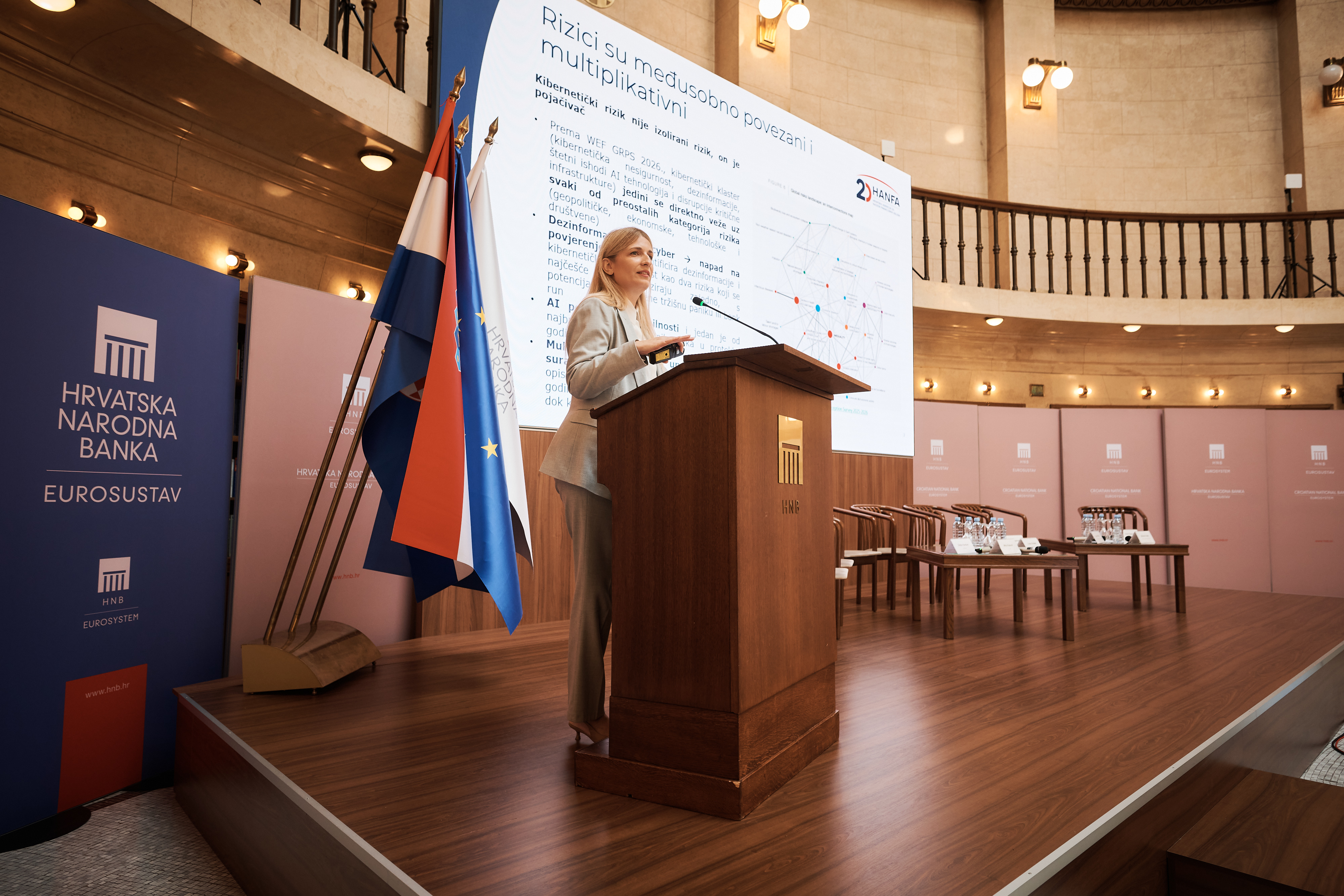
The opening presentation, entitled “When Cyberattacks Become Weapons: Implications for Regulators”, was delivered by Anamarija Staničić, Deputy Chair of the Supervisory Board of the Croatian Financial Services Supervisory Agency (Hanfa). She spoke about the heightened level of global uncertainty and systemic risk, which is eroding the predictability of the regulatory environment and means that regulators no longer operate in a stable environment but in one characterised by a state of “permacrisis”.
She noted that the financial sector has become a particularly prominent target for cyberattacks and that regulators have a dual role: safeguarding market stability while strengthening their own operational resilience. Her presentation outlined Hanfa’s approach to cybersecurity, with particular emphasis on building resilience, developing human capabilities, implementing preventive measures and strengthening cooperation with relevant stakeholders.
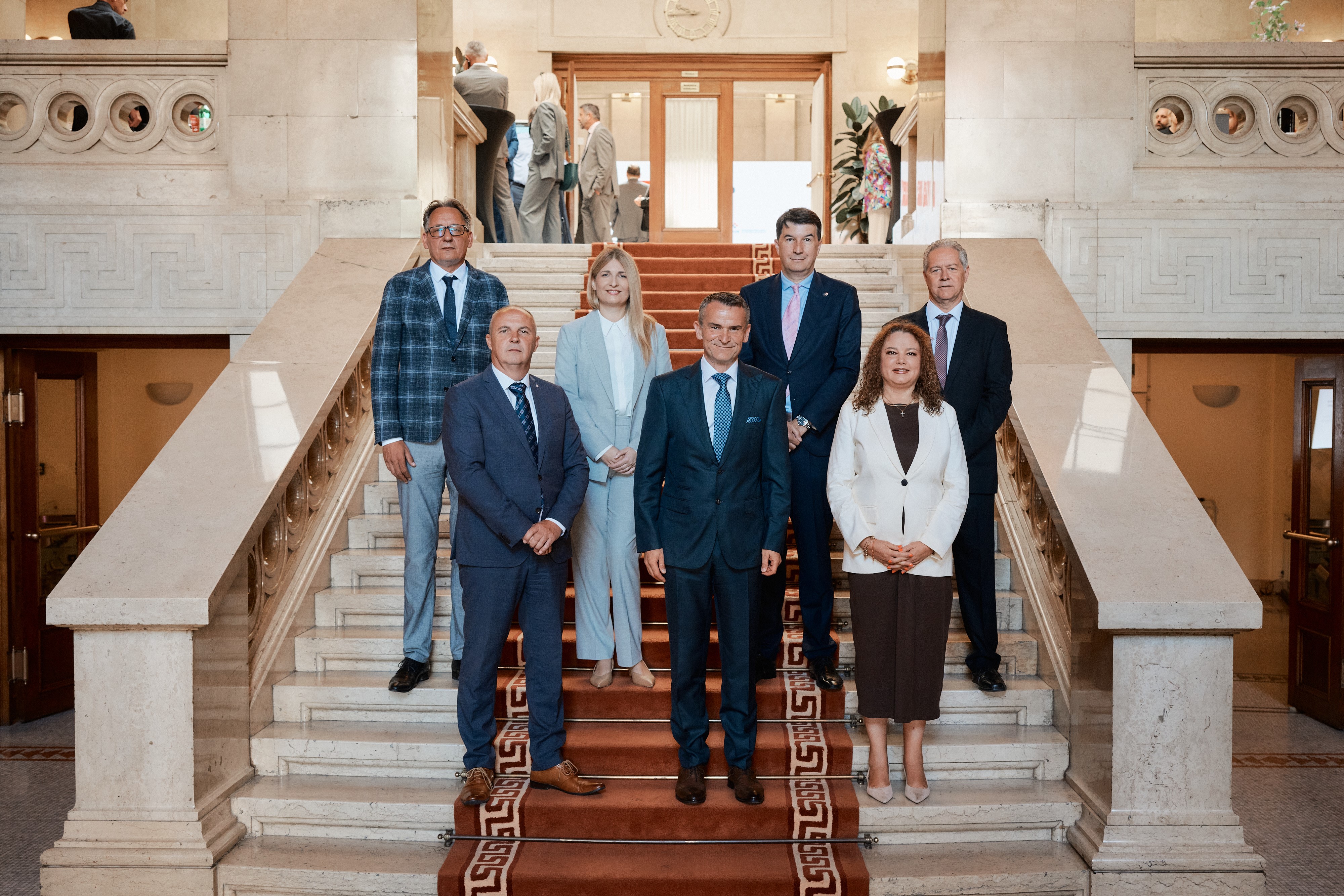
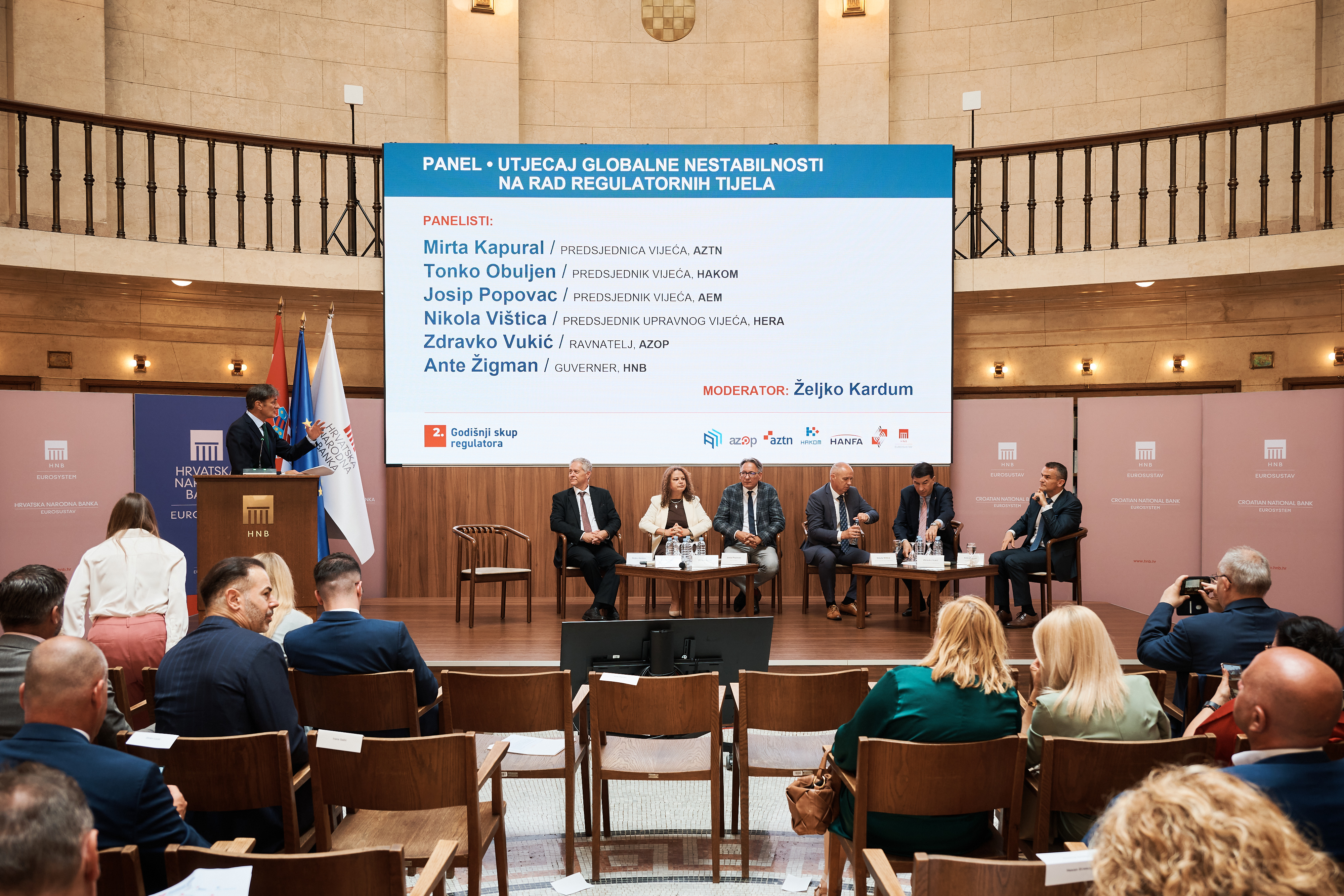
The panel discussion, entitled “The Impact of Global Instability on the Work of Regulatory Authorities”, brought together Josip Popovac, Director of the Electronic Media Agency (AEM), Zdravko Vukić, Director of the Croatian Personal Data Protection Agency (AZOP), Mirta Kapural, President of the Council of the Croatian Competition Agency (AZTN), Nikola Vištica, President of the Administrative Council of the Croatian Energy Regulatory Agency (HERA), Tonko Obuljen, President of the HAKOM Council, and Ante Žigman, Governor of the Croatian National Bank. The panellists exchanged views on the challenges facing regulatory authorities in an environment marked by heightened geopolitical, technological and security risks. They also underscored the importance of interinstitutional cooperation, knowledge-sharing and coordinated action in strengthening the resilience of the Republic of Croatia’s regulatory system.
The discussion highlighted the need to view the resilience of communications infrastructure as a cross-sectoral issue. Electronic communications networks, internet access, interconnection, data flows and digital services constitute the critical infrastructure on which the financial, energy, transport, healthcare, public administration and security sectors—as well as many other activities essential to the functioning of society and the economy—depend. For this reason, the regulatory response to such risks must be coordinated. During a real-world incident, users do not necessarily distinguish whether the problem originates with a bank, an electronic communications operator, a cloud service provider, a software supplier or a public authority. What matters to citizens and businesses is whether the service is functioning, whether they can communicate, make payments and obtain reliable information. This is why clear protocols, regular exercises, timely information-sharing and close cooperation among regulators, operators, financial institutions, public authorities and European partners are essential.
Gallery

For additional information please contact:
Croatian Regulatory Authority for Network Industries (HAKOM)
- Roberta Frangeša-Mihanovića 9 Street
- 10110 Zagreb, Croatia
- Tel. + 385 (0) 1 700 70 07
- Fax + 385 (0)1 700 70 70
Media inquiries can be submitted online using HAKOM’s official website: www.hakom.hr
About Hakom
HAKOM - Croatian Regulatory Authority for Network Industries – ensures preconditions for a fair market competition, stable growth and environment for innovations in the electronic communications and postal services market. HAKOM protects users’ interests and the possibility of choice among various communications and postal services at affordable prices, defines sustainable competitive conditions for operators and service providers under fair conditions for return on investment, and provides support to economic growth, public services and the quality of life in the Republic of Croatia by using modern technologies. HAKOM’ strategic goals are: to promote regulation of the electronic communications and postal services market, to support growth of investments and innovations in the electronic communications and postal services market, to provide efficient use of limited resources, to accelerate the growth of broadband products and services, to provide affordable offers of communications and postal services, to provide protection and informing of users, to build an efficient and comprehensive information system, to define and implement efficient processes, and to acquire multi-disciplinary expertise in market regulation.