Fifth International Conference “Accessible Future” Held
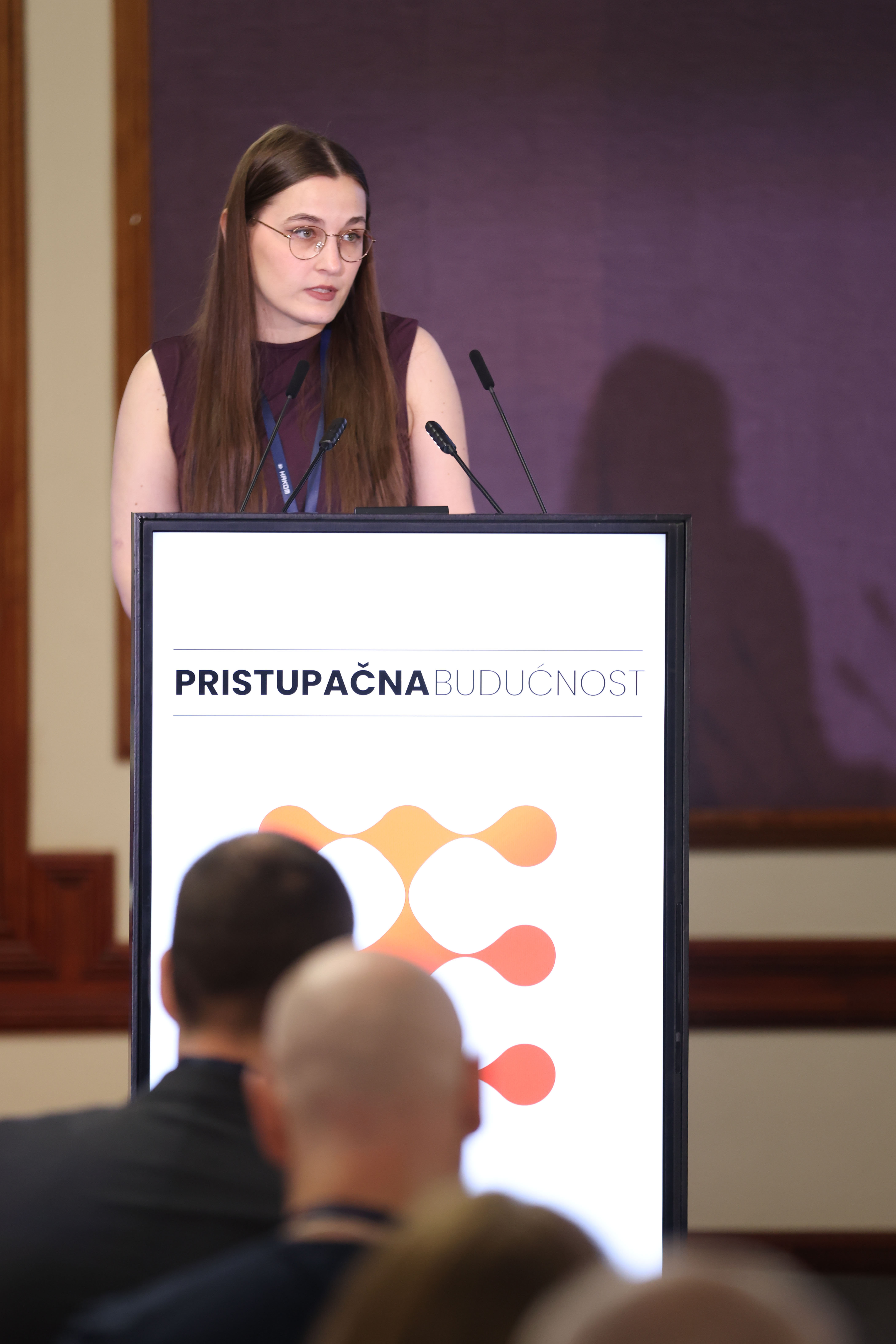
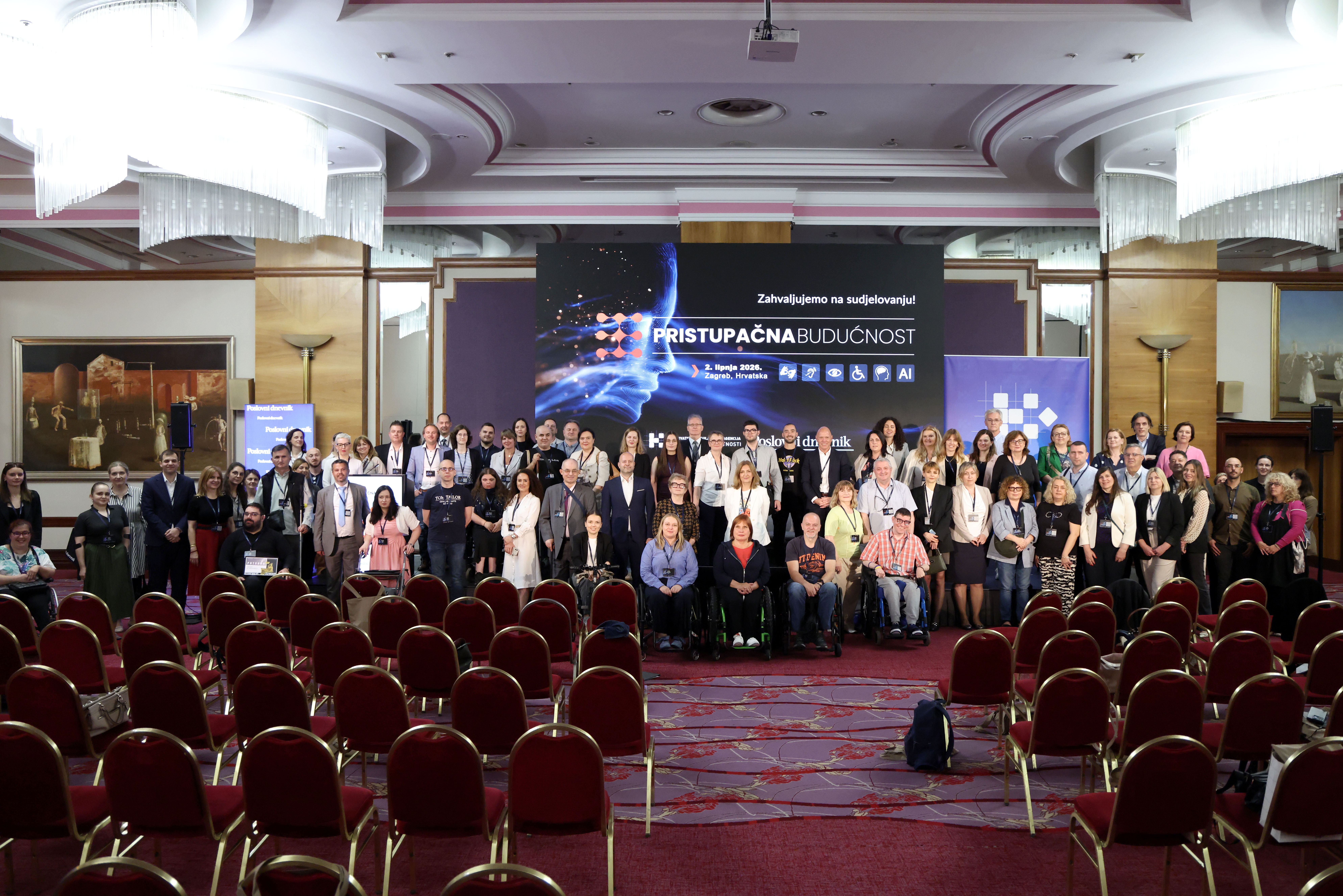
Zagreb, 3 June 2026 - The fifth international conference, “Accessible Future”, was held in Zagreb on 2 June 2026, organised by the Croatian Regulatory Authority for Network Industries (HAKOM) and Poslovni dnevnik. Once again, the conference brought together representatives of regulatory authorities, industry, academia, civil society organisations and persons with disabilities themselves, with the aim of fostering dialogue on accessibility and equal participation in an increasingly digital society.
According to available data, around 17 per cent of Croatia’s population has some form of disability, further highlighting the importance of a systematic approach to removing barriers, both digital and physical. For this reason, the “Accessible Future” conference has, for the fifth consecutive year, served as a forum for the exchange of experiences and examples of good practice, as well as for open discussion of the challenges that still remain.
For a government, regulatory authority, or EU institutional publication, this revised version would read slightly more naturally and professionally in standard British English. I would rate the original translation 9/10 and the revised version 9.5-10/10 for that context.
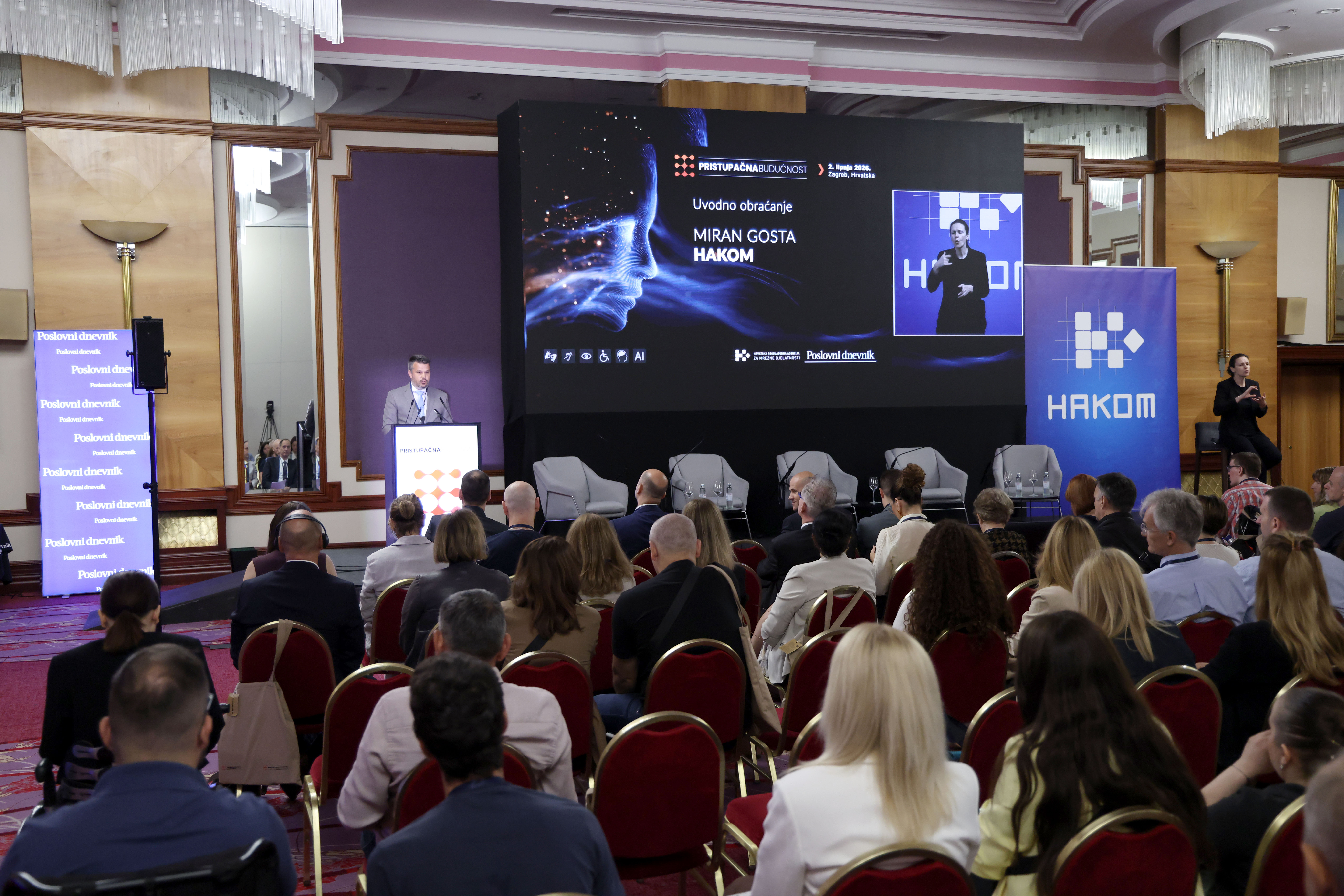
The Director of HAKOM, Miran Gosta, thanked participants for attending and emphasised in his address that an accessible future entails a vision in which services are universal and accessible to all. “It is an ambitious vision, but all visions begin that way. Technology only has meaning if it is accessible to everyone.”Speaking about the areas within HAKOM’s remit, he paid particular attention to accessibility in rail transport, noting that tangible progress had been made and that an increasing number of trains were being adapted to meet the needs of persons with disabilities. In the context of digital technologies, he highlighted the potential of artificial intelligence, particularly in the areas of automatic captioning, speech-to-text conversion and similar solutions that can significantly improve everyday life.
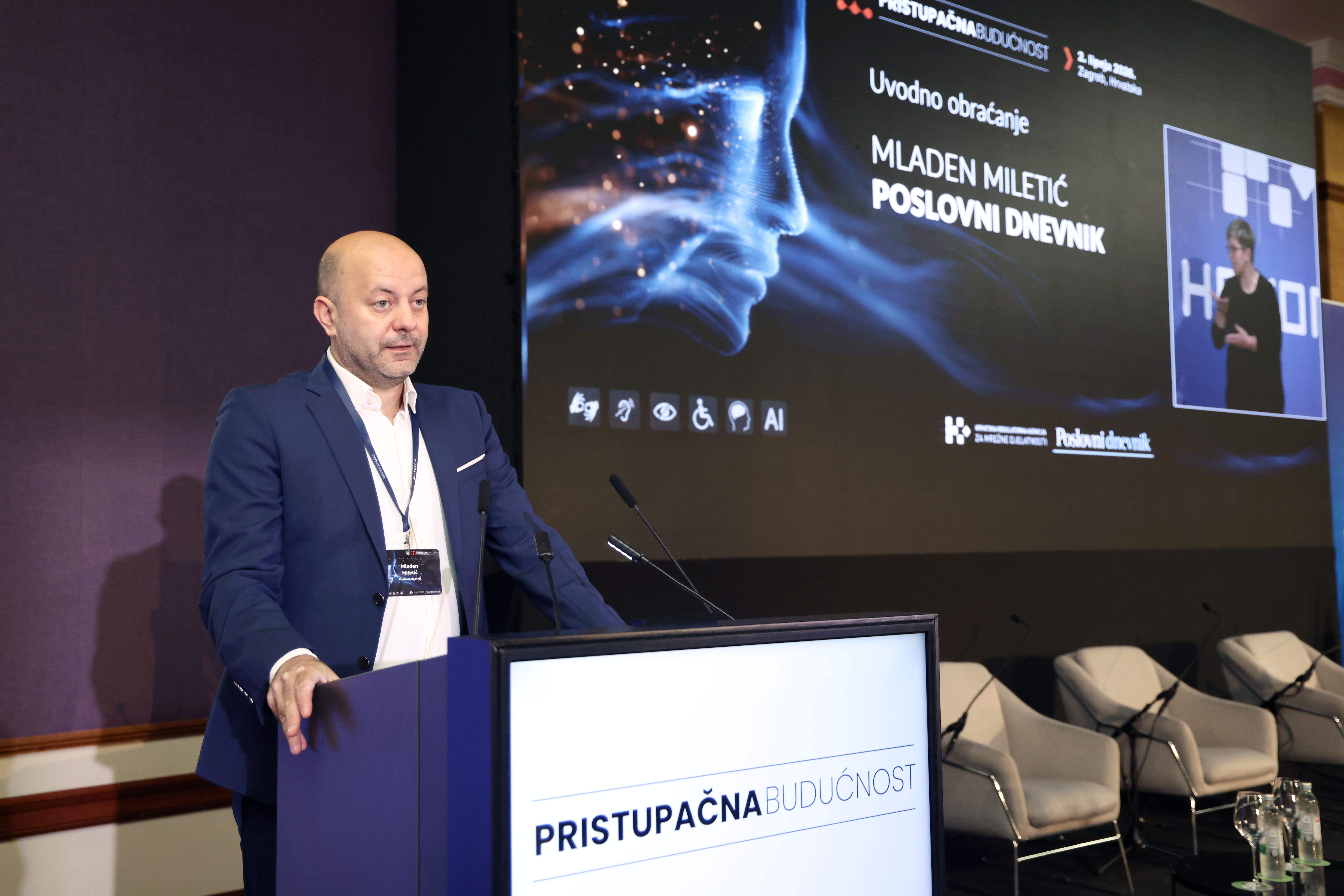
In his opening remarks, Mladen Miletić, Editor-in-Chief of Poslovni dnevnik, in addition to stressing the need for greater accessibility and inclusion of persons with disabilities, drew attention to the potential of persons with disabilities as a workforce that, as he noted, “society too often fails to recognise”.
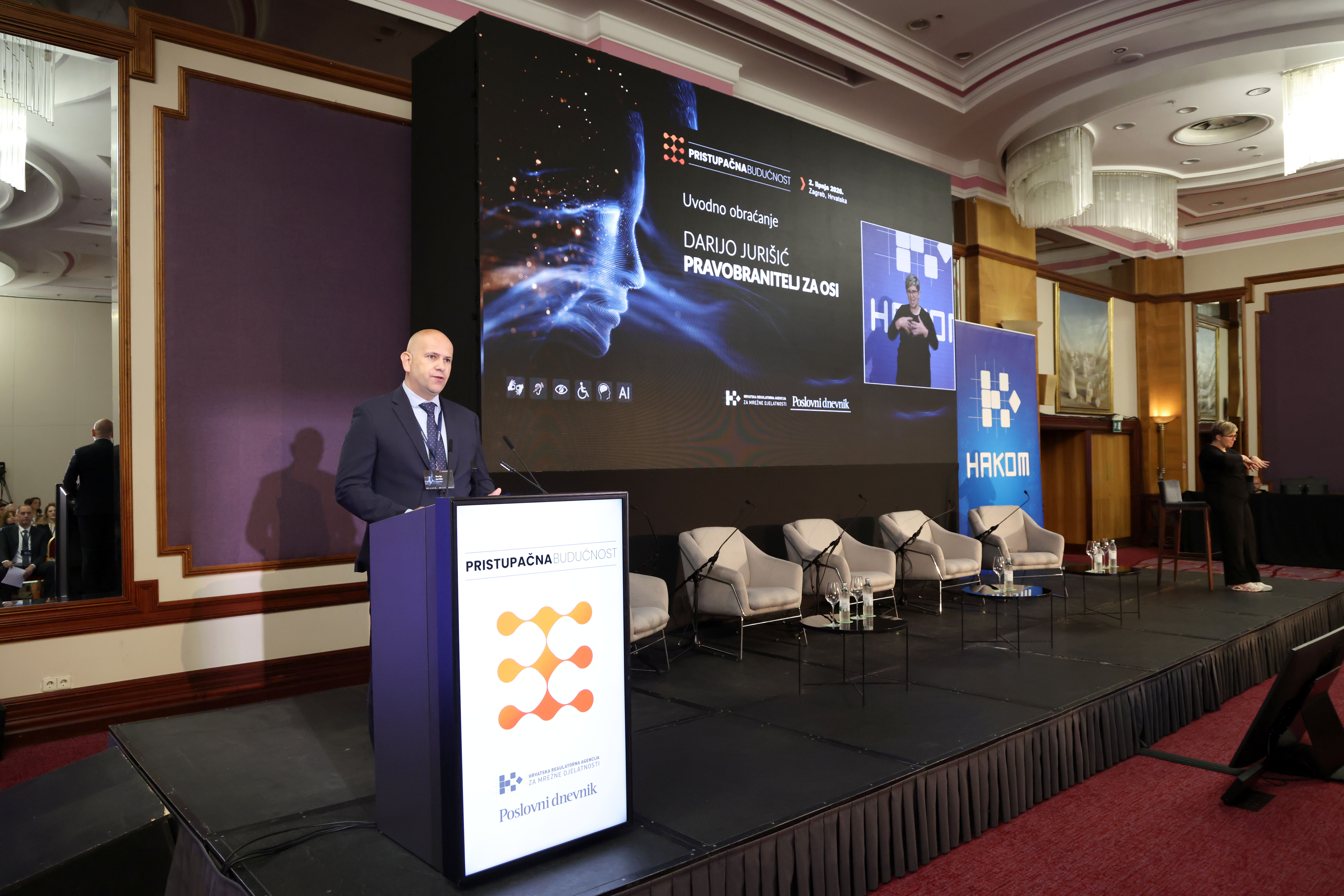
The Ombudsman for Persons with Disabilities, Darijo Jurišić, emphasised that digital accessibility means that content and services are accessible and usable by all citizens. However, he also highlighted the need for further education and training, as well as for the more active involvement of persons with disabilities in the development of digital solutions.“A particular challenge is that persons with disabilities are not sufficiently involved in the testing and development of digital solutions, as they are best placed to assess whether a particular solution is useful to them,” the Ombudsman emphasised. He also warned of the potential risks posed by improperly developed artificial intelligence systems, which may lead to discrimination, stressing that technology must serve everyone rather than create new barriers.
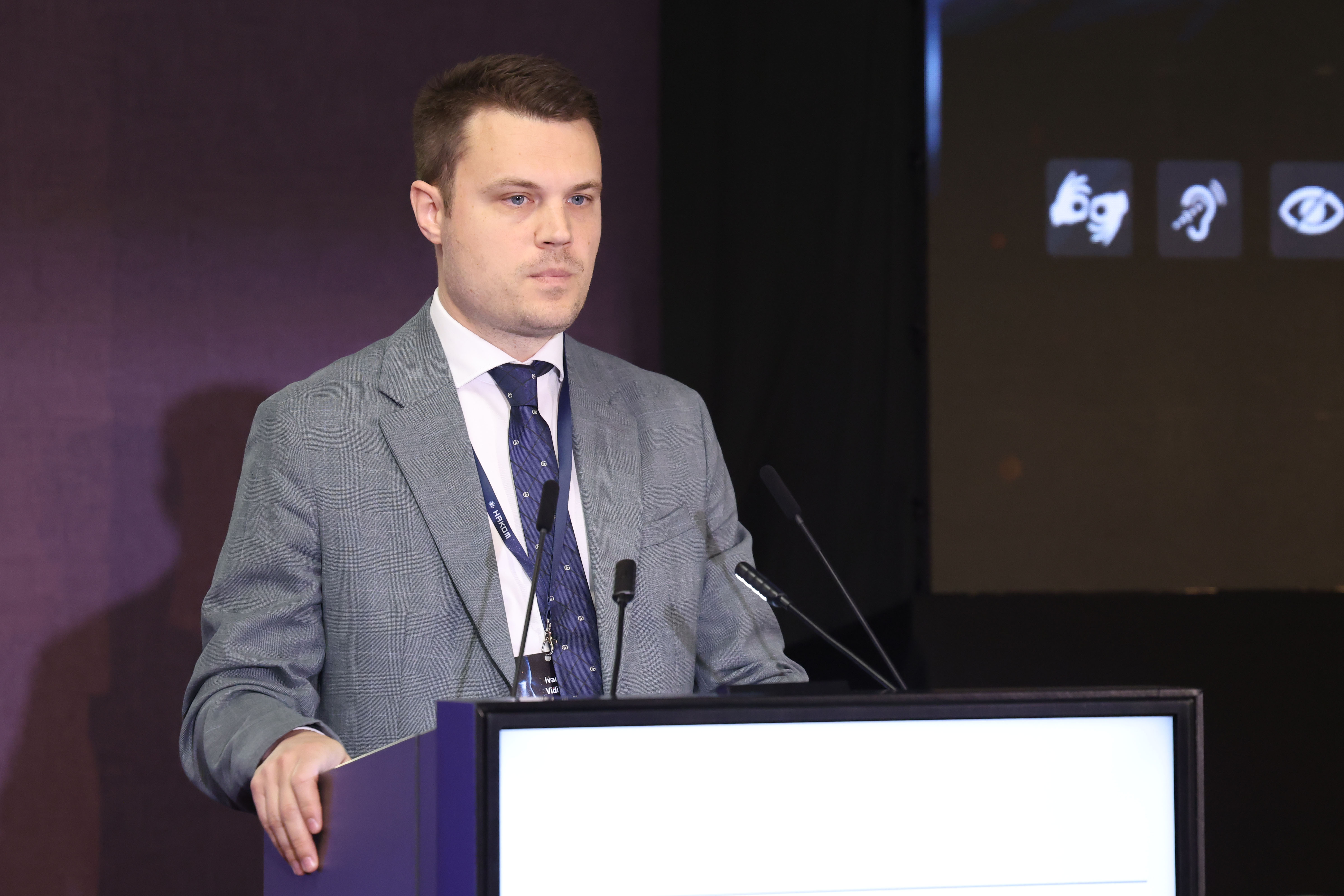
The conference was also addressed in its opening session by Ivan Vidiš, State Secretary at the Ministry of Labour, Pension System, Family and Social Policy, who, in addition to discussing accessibility, highlighted the importance of ensuring that the labour market is accessible to persons with disabilities, including the need to further develop physical accessibility.
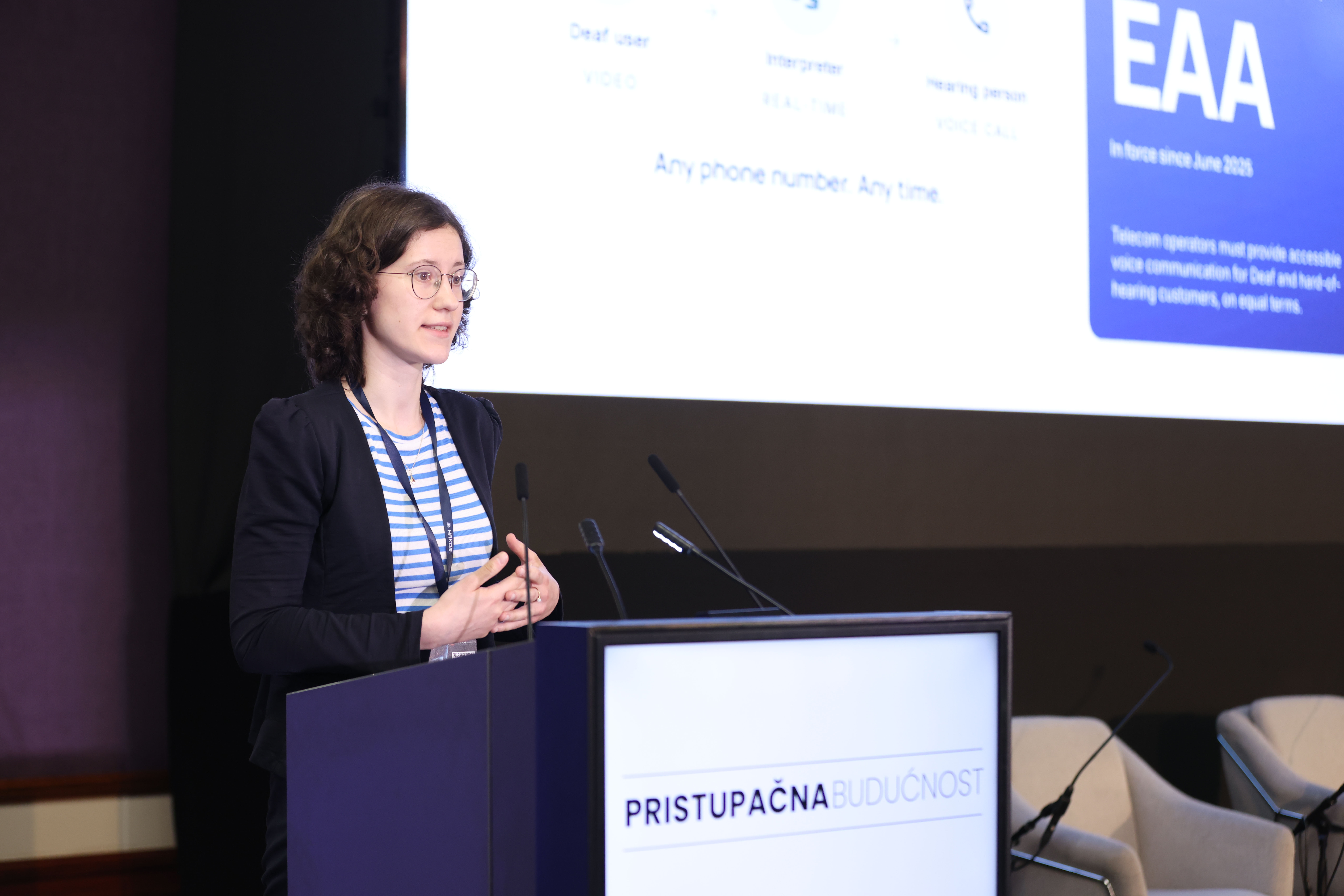
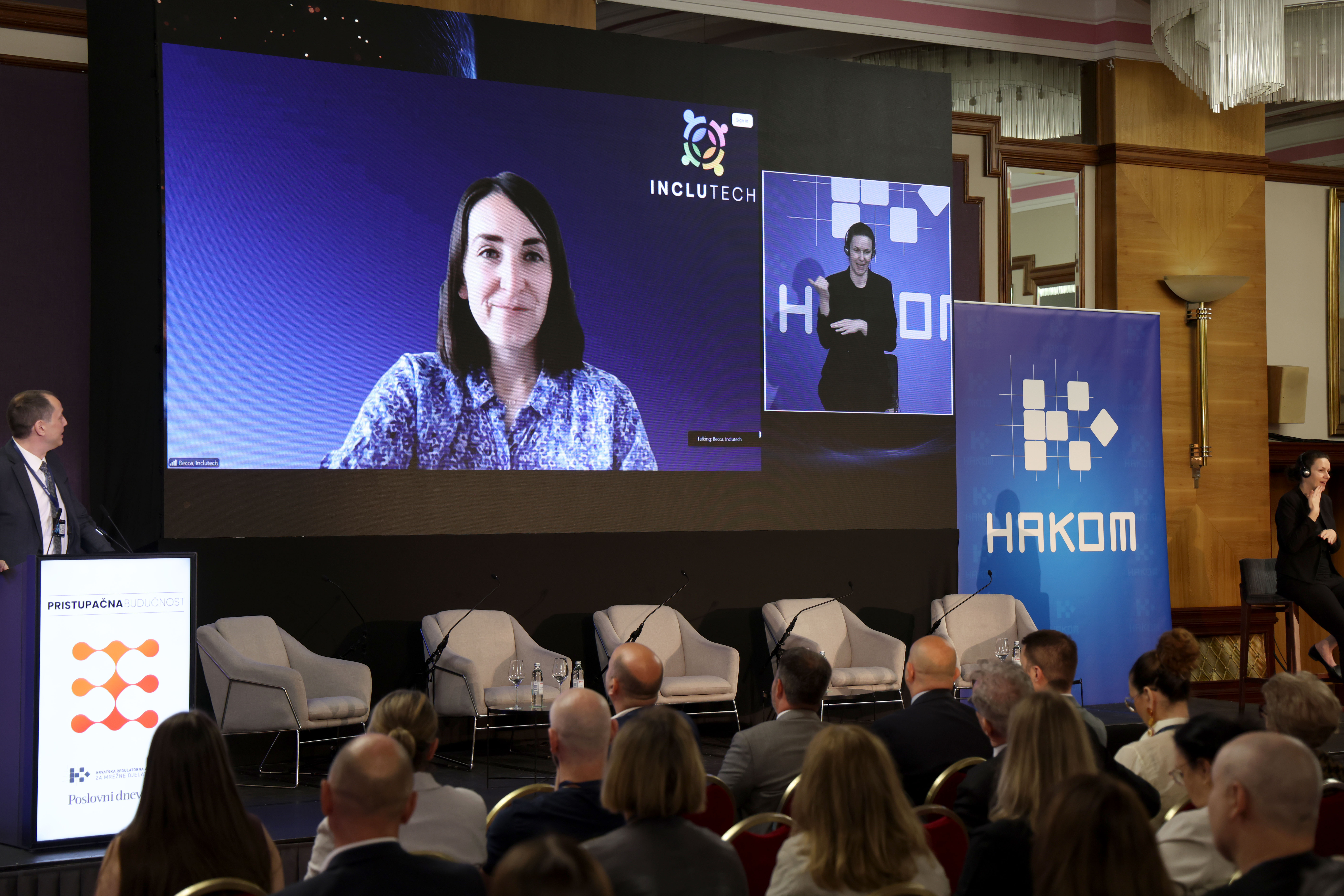
The conference then showcased concrete examples of regulatory experience and technological solutions. Dominika Belendesi from the Hungarian National Media and Infocommunications Authority (NMHH) presented practical experiences from Hungary, Kateřina Skalová of Deafcom Solutions discussed electronic communications services in the context of the provisions of the European Accessibility Act, while Becca Hume of Inclutech Accessible presented the TapSOS application, which enables users to contact emergency services without the need for verbal communication.
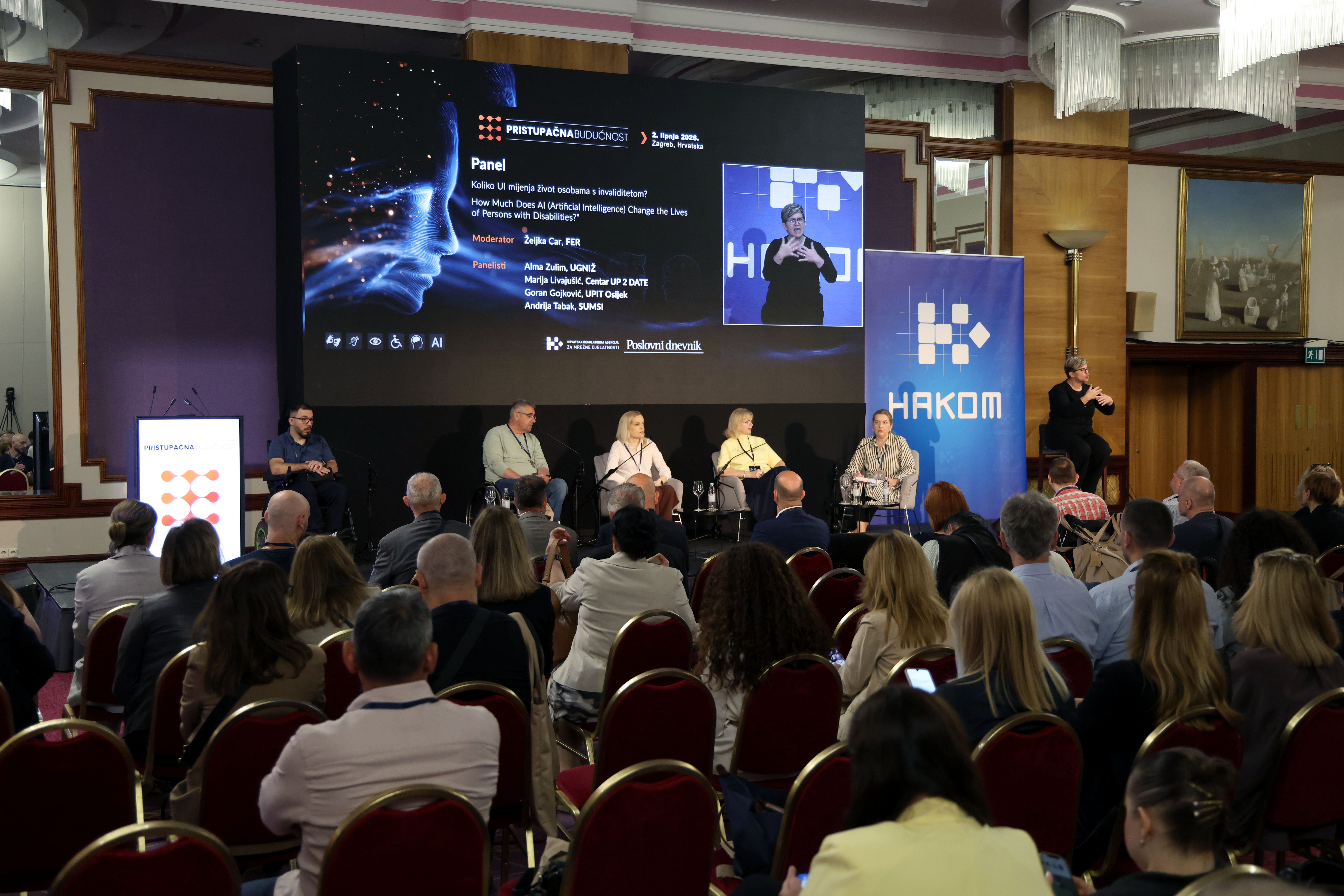
The panel discussion on the impact of artificial intelligence on the lives of persons with disabilities attracted considerable interest. The discussion was moderated by Professor Željka Car of the Faculty of Electrical Engineering and Computing, University of Zagreb, who stressed that technology should be adapted to people, rather than people to technology: “The future lies not in adapting people to technology, but in adapting technology to people.”Alma Zulim of the Association of Deaf and Hard of Hearing Persons of Istria County pointed out that technological solutions are both welcome and capable of significantly improving everyday life. However, she noted that, in practice, such solutions often remain difficult to access owing to financial and infrastructural constraints. Her experience highlights the fact that, if digital solutions are to be genuinely inclusive, they must be available to everyone and not merely technologically sophisticated. Speaking from the perspective of blind persons, Marija Livajušić of Centar UP2DATE explained that she relies on artificial intelligence-based tools in her daily life. She emphasised that AI can be a powerful enabler of independence, but that it remains a digital assistant and cannot replace human judgement, critical thinking or the verification of information. She also noted that, while the tools she uses are functional and accessible, there remains scope for further enhancement. The importance of physical accessibility and mobility was highlighted by Andrija Tabak of the SUMSI Association, who uses a wheelchair. He drew attention to the barriers that persons with disabilities continue to encounter in their daily mobility and, citing the example of autonomous vehicles, illustrated how technological innovations in transport could significantly enhance independence and improve quality of life.
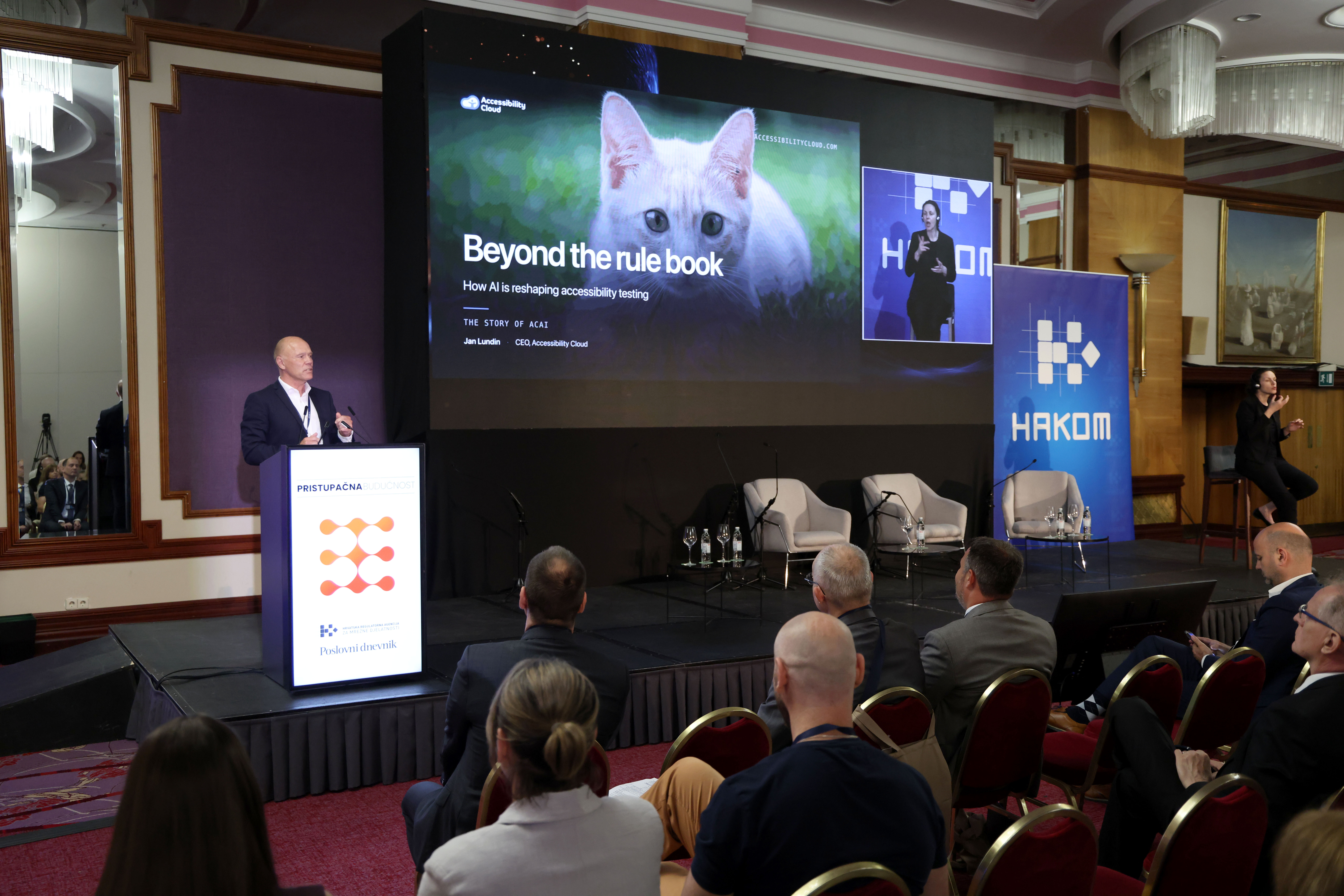
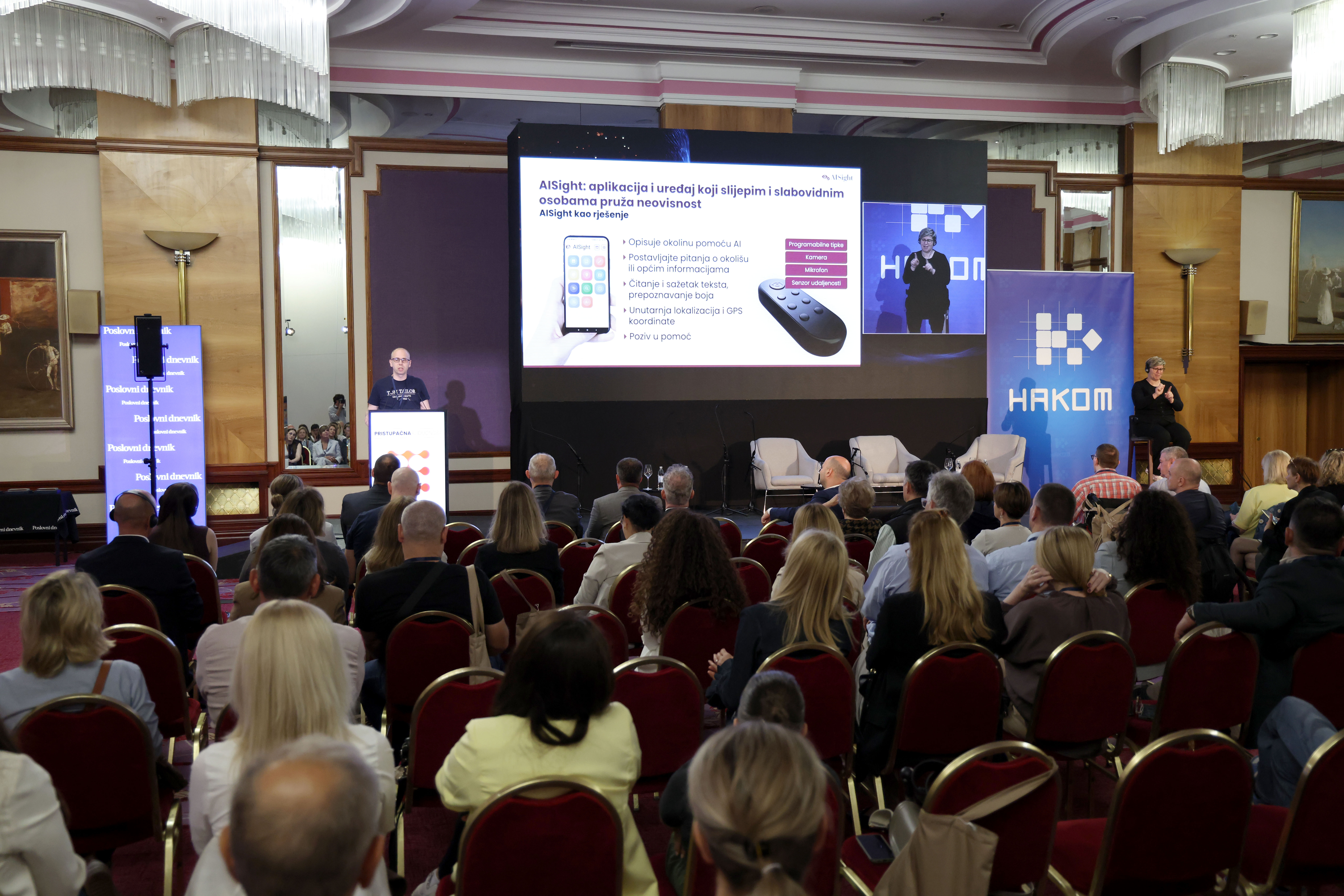
Following the panel discussion, Jan Lundin of Accessibility Cloud AB demonstrated the potential of artificial intelligence in testing digital accessibility and evaluating websites for compliance with accessibility requirements. Mario Salai then presented the Croatian application AISight, designed for blind and partially sighted persons, which uses artificial intelligence to provide users with descriptions of their surroundings.
The conference concluded with an awards ceremony held as part of Poslovni dnevnik’s “Experience is Worth its Weight in Gold” project, during which recognition was presented to companies and students participating in work placement programmes. On that occasion, Mladen Miletić, Editor-in-Chief of Poslovni dnevnik, emphasised the importance of promoting the inclusion of persons with disabilities in the labour market and challenging persistent stereotypes: “The right to work is one of the fundamental human rights. Our objective is to challenge stereotypes and prejudices and to enable equal participation in the labour market for individuals who begin from less favourable starting positions.”
The discussions held throughout the conference demonstrated that technology can be a powerful tool for enhancing the independence and inclusion of persons with disabilities, but only if it is developed with the active involvement of those for whom it is intended. A recording of the conference is available at the following link.
Gallery

For additional information please contact:
Croatian Regulatory Authority for Network Industries (HAKOM)
- Roberta Frangeša-Mihanovića 9 Street
- 10110 Zagreb, Croatia
- Tel. + 385 (0) 1 700 70 07
- Fax + 385 (0)1 700 70 70
Media inquiries can be submitted online using HAKOM’s official website: www.hakom.hr
About Hakom
HAKOM - Croatian Regulatory Authority for Network Industries – ensures preconditions for a fair market competition, stable growth and environment for innovations in the electronic communications and postal services market. HAKOM protects users’ interests and the possibility of choice among various communications and postal services at affordable prices, defines sustainable competitive conditions for operators and service providers under fair conditions for return on investment, and provides support to economic growth, public services and the quality of life in the Republic of Croatia by using modern technologies. HAKOM’ strategic goals are: to promote regulation of the electronic communications and postal services market, to support growth of investments and innovations in the electronic communications and postal services market, to provide efficient use of limited resources, to accelerate the growth of broadband products and services, to provide affordable offers of communications and postal services, to provide protection and informing of users, to build an efficient and comprehensive information system, to define and implement efficient processes, and to acquire multi-disciplinary expertise in market regulation.